
Abdominal Fat & Belly Fat Leicester
Reduce stubborn abdominal fat with advanced body contouring treatments tailored to your body, for a slimmer, more defined midsection.
5.0120+ reviews
4.7140+ reviews
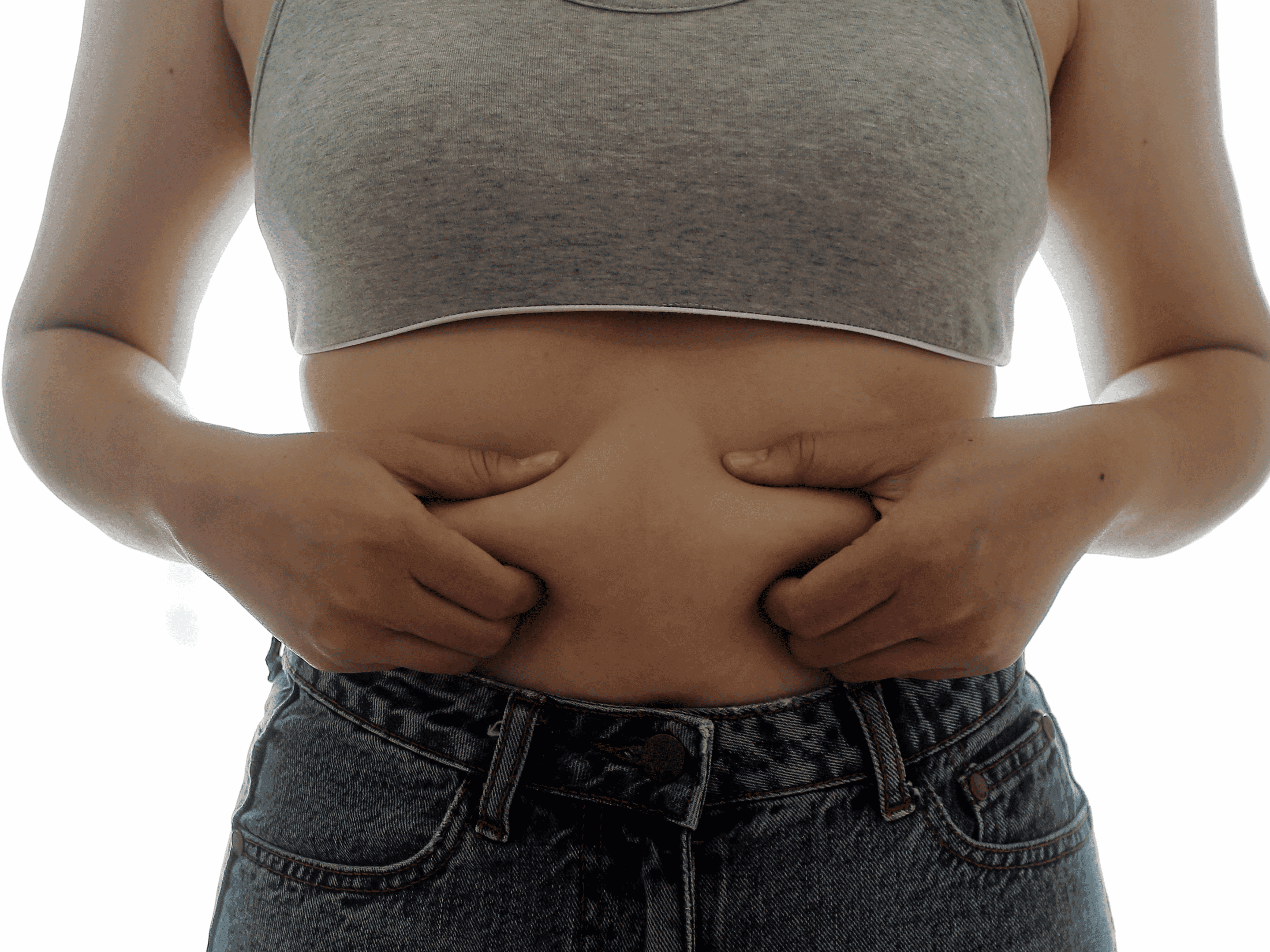
About This Condition
What is Abdominal Fat?
Abdominal fat, commonly referred to as belly fat, is excess fat stored around the midsection. It encompasses both subcutaneous fat beneath the skin and visceral fat around the internal organs. Both types can be resistant to diet and exercise alone, and are among the most common body concerns affecting men and women of all ages.
Classification
Types of Abdominal Fat
Subcutaneous Fat
Soft, pinchable fat stored directly beneath the skin. The most common type of belly fat and the primary target of aesthetic body contouring treatments.
Visceral Fat
Deeper fat surrounding the internal organs. Less visible but associated with metabolic health risks, including cardiovascular disease and type 2 diabetes.
Post-Pregnancy Fat
Fat retained in the abdominal area following pregnancy, often accompanied by skin laxity. May persist despite returning to a healthy weight.
Root Causes
Abdominal Fat Causes
Abdominal fat accumulates through a combination of lifestyle, hormonal, and genetic factors , many of which are resistant to diet and exercise alone.
Poor Diet
A diet high in processed foods, refined sugars, and excess calories leads to fat storage, particularly in the abdominal region.
Sedentary Lifestyle
Insufficient physical activity slows metabolism and reduces the body's ability to burn stored fat, contributing to fat redistribution around the abdomen and waist.
Hormonal Changes
Declining oestrogen during menopause shifts fat storage from the hips and thighs to the abdomen. Elevated cortisol from chronic stress also promotes visceral fat accumulation.
Poor Sleep
Poor sleep disrupts hunger hormones, increasing appetite and cravings for high-calorie foods, making weight management significantly harder over time.
Stress & Cortisol
Chronic stress elevates cortisol levels, which directly drives fat storage in the abdominal region and encourages emotional eating behaviours.
Genetics
Genetic predisposition influences where the body preferentially stores fat. Some individuals are naturally inclined to accumulate fat in the abdominal area.
Risk Factors
Who Is More Likely to Develop Abdominal Fat?
Several lifestyle, hormonal, and genetic factors increase the likelihood of stubborn fat accumulating around the midsection.
- Middle-aged adults as metabolism slows and muscle mass naturally declines.
- Post-menopausal women, when fat distribution shifts from hips to the abdomen.
- Those with sedentary occupations or low levels of physical activity.
- People with high-stress lifestyles or chronic sleep deprivation.
- Individuals with a genetic predisposition to central or abdominal obesity.
- Those who consume a diet high in ultra-processed foods, alcohol, or refined sugars.
Our Process
How Do We Diagnose Abdominal Fat?
Our specialists will:
BMI & Body Measurements , assess waist circumference, BMI, and body composition to quantify abdominal fat.
Fat Distribution Assessment , determine whether fat is primarily subcutaneous or visceral using clinical evaluation.
Lifestyle & Medical History Review , evaluate diet, activity levels, hormonal factors, and any underlying conditions.
Your Options
Treatments For Abdominal Fat & Belly Fat
Body Contouring
Non-surgical body contouring precisely targets stubborn abdominal fat deposits resistant to diet and exercise, sculpting and reshaping the midsection without surgery or downtime.
Liposuction
Surgical liposuction permanently removes excess fat from the abdomen and flanks, delivering dramatic and long-lasting body reshaping results for a more significant transformation.
Weight Management
Our medically supervised weight management programme provides personalised support, dietary guidance, and clinical interventions to reduce overall body fat including stubborn abdominal fat.
Cool Sculpting / Body Contouring
Advanced fat-freezing and body contouring technology targets and eliminates stubborn fat cells in the abdominal region, delivering a slimmer, more defined midsection.
Medical Advice
When to Call a Doctor?
Abdominal fat is a common concern, but see a doctor if you notice:
- Rapid unexplained weight gain around the midsection.
- Difficulty breathing or chest discomfort associated with abdominal swelling.
- Abdominal pain, bloating, or digestive symptoms alongside weight changes.
- Signs of metabolic complications such as increased thirst, fatigue, or elevated blood pressure.
What To Expect
Results & Expectations
After treatment for abdominal fat, here is what you can expect at each stage of your recovery and beyond.
Timeline
Initial reduction in abdominal volume and improved skin tightness begins to become noticeable.
Maintenance
Continued improvement in contour with optimal results at 3 months, maintained with a balanced lifestyle.
Lifestyle Integration
Combining treatment results with healthy habits ensures lasting abdominal definition and body confidence.
Explore
Related Treatments
Meet the Experts

Dr Sumit Virmani
MBBS, MRCGP
Co-Founder & GP
Dr Sumit Virmani is co-founder of The One Clinic. He has extensive experience having worked as a medical doctor for over 15 years, with over 12 of these years working as a local GP.
View Full Profile
What Our
Customers Say
Don't just take our word for it. Here's what real patients have to say about their experience at The One Clinic.
Why Us
Why Choose The One Clinic For Abdominal Fat Treatment
All-in-one clinic with medical & aesthetic services.
Highly trained, compassionate doctors.
Customised treatments based on listening & expertise.
State-of-the-art facilities & modern equipment.
Strong reputation & excellent reviews.
Comprehensive care and referrals with specialists.
FAQ
Frequently Asked Questions
Subcutaneous fat sits directly beneath the skin and is the soft, pinchable fat most people refer to as belly fat. Visceral fat is stored deeper, surrounding the internal organs, and is associated with greater health risks including cardiovascular disease and type 2 diabetes. Most aesthetic treatments target subcutaneous fat; visceral fat responds primarily to lifestyle changes such as diet and exercise.
Body contouring treatments such as liposuction permanently remove fat cells from the treated area. Non-surgical treatments reduce fat cell volume and improve skin quality. However, remaining fat cells can still expand if significant weight is gained after treatment. Maintaining a stable weight and healthy lifestyle is essential to preserve results.
The number of sessions depends on the treatment chosen and the extent of fat reduction desired. Non-surgical body contouring typically requires a course of 3 to 6 sessions. Cool Sculpting achieves significant results across 1 to 3 sessions per area. Liposuction is a single procedure. Your doctor will outline a personalised plan during your consultation.
Yes. If you have both abdominal fat and skin laxity, body contouring treatments can address both concerns simultaneously, reducing fat while tightening and remodelling the overlying skin. Your doctor will assess your individual concerns and recommend the most appropriate approach.

Take the First Step
It's Time To Tackle Abdominal Fat!
Talk to our specialists today to find the best treatment for your body and restore the slim, defined midsection you deserve.
Contact Us
Get In Touch
Reach us by phone, email, or visit us at the clinic. You can also follow us on social media for the latest treatments, patient results, and wellness tips from our team.