While it appears like a small patch of hard skin, a verruca is actually a contagious growth that can spread through both direct and indirect contact. This is because human papillomavirus (HPV) can spread quickly from one person to another or to different areas of your foot. They most likely develop in the area of your foot that bears the largest weight, including the balls, heels and the underside of toes. The biggest downside of a verruca infection is the way it spreads. They are painful and uncomfortable, and they can transfer to other parts of your body as well, not just your feet. If your verruca is becoming worrisome, let's explore how verrucas spread, what heightens infection and ways to prevent it.
What Are Verrucas?
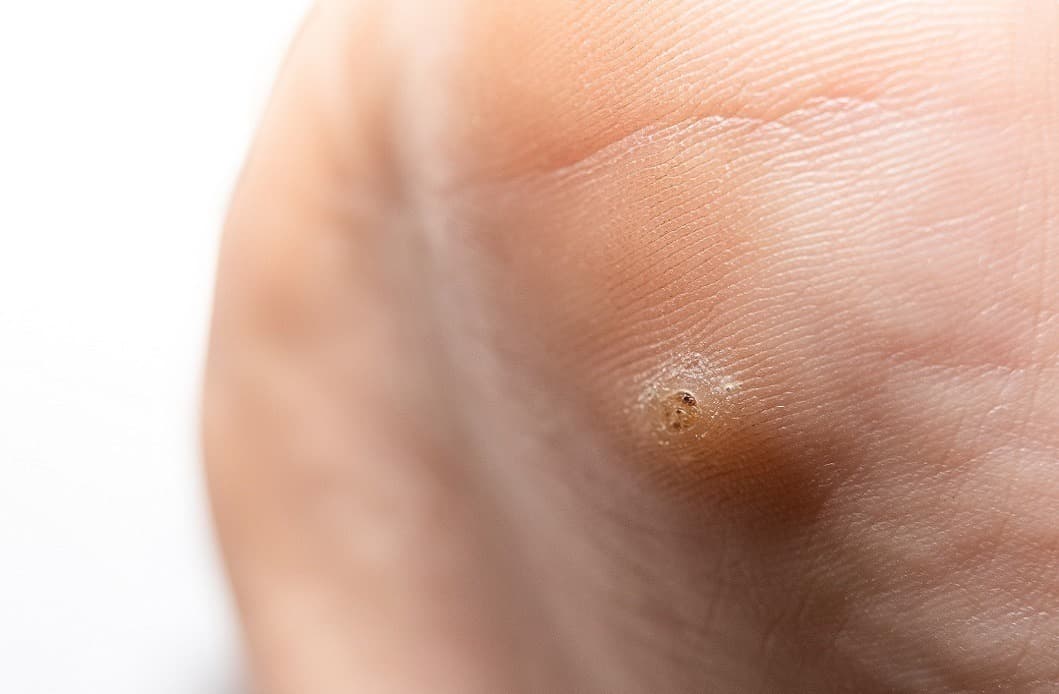
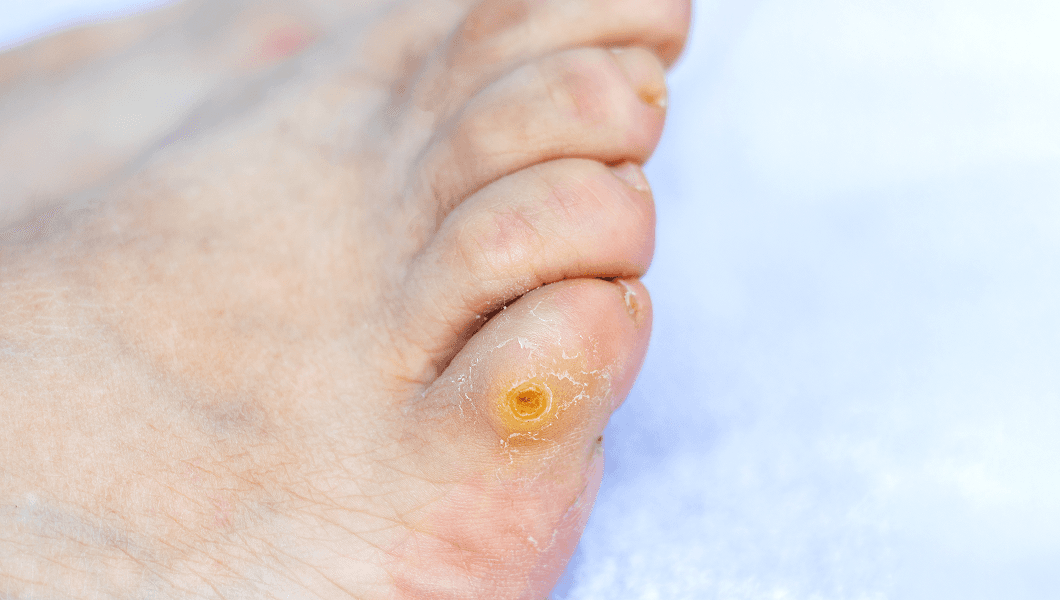
Verruca, also referred to as a plantar wart, is a non-cancerous, contagious, and rough growth that forms on the soles of your feet. It is a form of HPV (Human Papillomavirus) that enters your skin through a tiny crack. However, they can appear like calluses, so it's important to know what they look like first. Here are a few symptoms of verrucas:- They will have small black dots in the centre that are like little pinheads. These are, in reality, the dead blood vessels.
- Verrucas can bleed very easily due to blood vessels pushed to the surface.
- As you walk, applying pressure on the foot, verrucas feel as painful as stepping on a sharp needle.
What Causes Verruca Infection?
As verrucas are a growing skin condition, it is important to understand the cause. Not just for identification, but also to help understand the reasons behind the spread of verruca. It is specifically the result of infection by human papillomavirus types 1, 2, and 4, which enter through a crack or abrasion in the skin. The HPV requires an entry point, even if the openings are microscopic, to break through the skin's barrier. Once the virus reaches inside, it begins to infect its outer layer, developing verrucas. As it thrives in warm and moist environments, the feet become the ideal location for the development of verruca.How are Verrucas Contagious? Common Triggers
Verruca's contagious nature occurs mainly due to the shedding of skin cells containing human papillomavirus particles. It will begin to cause infection only when it finds a new host to enter through a cut, scrape or micro-abrasion. You may also be wondering whether warts are contagious in a similar way , and yes, both spread through direct and indirect contact with infected surfaces. Meanwhile, it is contagious even with indirect contact when it gets access to contaminated surfaces, especially if they are warm and moist. When a person infected with verruca walks barefoot in these places, they shed virus-containing cells, which are then picked up by another person. Here's what commonly spreads verruca:Using Common Public Areas:
Places like communal showers, locker room floors, changing rooms and swimming pool decks are often damp or have access to a large number of people. This makes these environments high-risk for contracting the virus, leading to verruca transmission.Autoinoculation:
This is a process where a person accidentally transfers the virus to different areas of their body. If you've ever wondered whether verrucas can spread to other parts of the body, autoinoculation is exactly what causes this. It can occur when you touch the verruca and then proceed to touch other areas without washing your hands, forming a new verruca on the area you touched.Weak Immune System:
Some individuals have a weak immune system, and their ability to resist diseases is low, making them more susceptible to verruca development. They are also at higher risk of spreading to others.Sharing Socks or Footwear:
When multiple people share the same item, they are indirectly coming into contact with someone else's feet that may carry a virus. The verruca therefore spreads to other people's feet simply by wearing their shoes and socks.Scratching or Picking:
If you are scratching or picking the verruca, it may release more virus and can potentially infect other areas of the same person or other individuals.How to Prevent the Spread of Verruca?
While verrucas spread quickly, they can also be stopped from further transmission. These are some of the measures you can take:Avoid Touching or Scratching:
The worst thing you can do is touch your skin and scratch it when it feels itchy. Resist the temptation. You will not only make it bleed but also cause both direct and indirect contact.Protect Personal Items:
Keep separate bath and hand towels. Avoid using others' socks, hosiery, footwear, and other items. Sharing personal belongings is an open invitation to developing verruca.Cover the Infected Area:
Consider wearing a waterproof plaster or a verruca sock, especially when swimming or strolling in changing rooms. This will help prevent the spread of verruca to others and from others in damp places.Protect Cuts:
Ensure your feet are not too dry to leave cracks and scrapes. Treat any wounded skin with open cuts or abrasions promptly. Keep your skin well moisturised at all times and consider plasters or dressings on the area of the verruca.
Look and Feel Your Best Every Day!
- •Advanced facial, body, and hair treatments.
- •Tailored solutions for lasting confidence.
- •Caring support at every step.
Treatment to Prevent Verruca Contamination
While prevention techniques are helpful, some verrucas can get severe and painful, requiring medical attention. Understanding the verruca healing stages can also help you know when treatment is working. Visit a podiatrist or doctor for professional treatments, such as:Cryotherapy:
It is a treatment that involves freezing the verruca using liquid nitrogen. This creates an extreme cold environment, destroying the affected tissue and paving the way for new skin cells to generate.Salicylic Acid:
The specialist may use salicylic acid preparation as a treatment for stubborn warts. It is a topical solution that helps in softening and dissolving the verruca eventually.Minor Surgery:
When the verruca becomes too hard to remove, the doctor might proceed with minor surgery. A local anaesthetic is used to numb the foot before the painless surgery begins. Specialised tools are used to directly remove the hard tissue from the foot, which is then cleaned thoroughly to avoid any virus-prone cells.Laser Therapy:
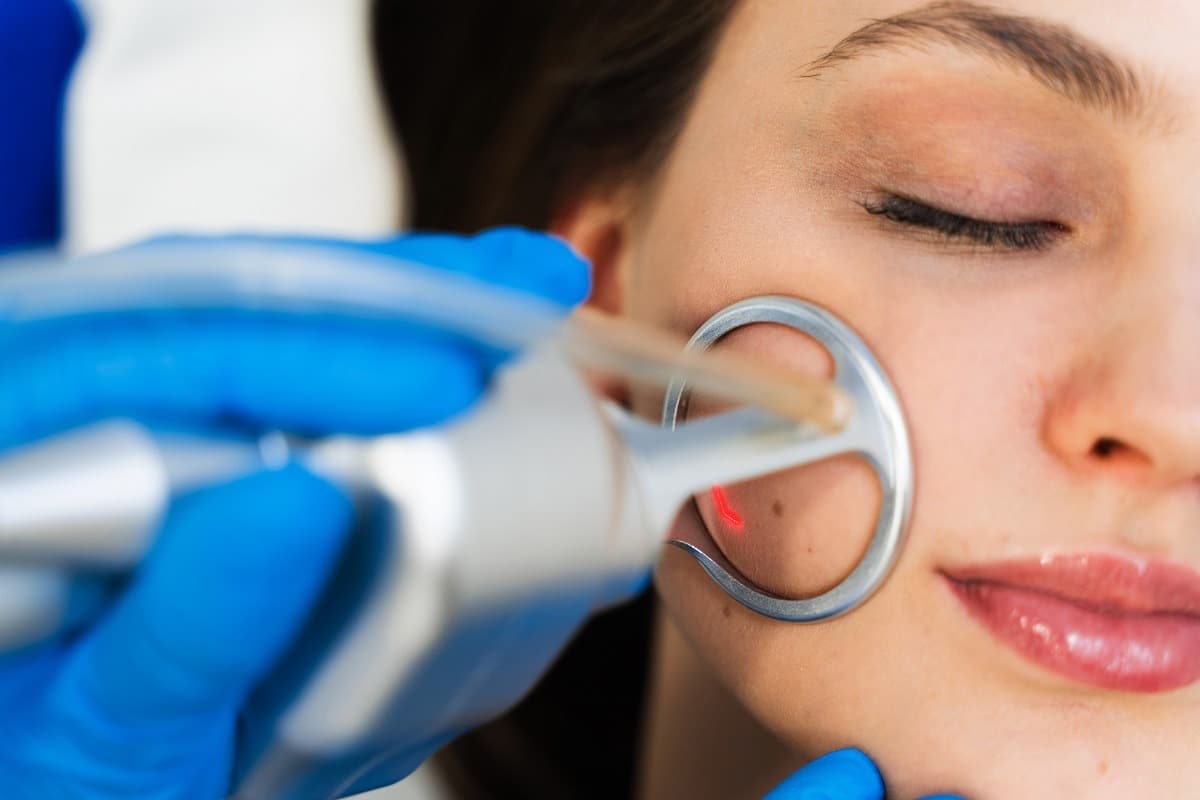
Some reputable clinics also provide advanced laser treatment methods for removing verrucae. The beam of the laser targets blood vessels present inside the lesion to cut off the blood supply. This way, the infected tissues, extreme temperature, and loss of blood help cure verruca.Conclusion
Understanding whether verrucas are contagious isn't complicated. The good part is that you can both prevent and treat them. Understanding what causes or heightens verrucae on your skin is the first step to taking proactive measures in preventing them from spreading further. Not sure if it is actually a verruca or needs personalised treatment? Talk to The One Clinic experts to get personalised advice for a healthy, pain-free foot.Take the Next Step in Your Aesthetic or Health Journey!
- •Personalised treatments for your unique needs.
- •Safe, effective, and natural-looking results.
- •Expert guidance from our professionals.