The best approach to treating brown spots on the face usually involves a combination of professional treatments and targeted skincare. Dermatology experts commonly recommend options such as chemical peels, laser treatments, prescription creams, and strict sun protection to gradually reduce pigmentation.
Brown spots develop when the skin produces excess melanin. This pigment collects in certain areas of the skin, leading to dark patches or spots. Many people seek brown spot removal solutions because these marks can make the skin look uneven or older than it actually is.
Fortunately, modern dermatology offers several effective ways to treat brown spots and facial concerns and to restore a more even skin tone.
What are brown spots on the face?
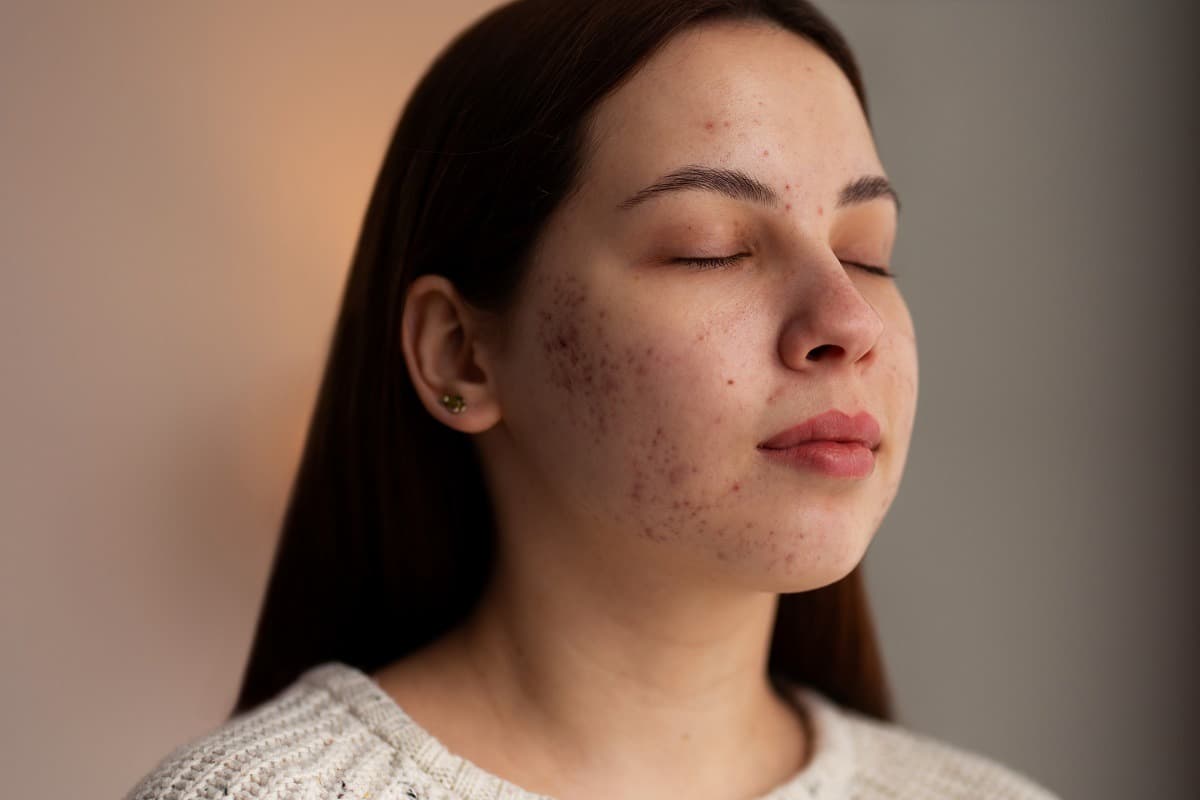
Brown spots are areas of skin that appear darker than the surrounding tissue due to increased melanin production. They can appear as small freckles, flat spots, or larger patches of pigmentation depending on the cause. These spots are generally harmless but may become more noticeable with time. Many people choose brown spot treatment on the face to improve the overall appearance of their skin and reduce uneven pigmentation. Common types of brown spots include:- Sun spots (age spots) Sun spots appear after years of repeated sun exposure. Ultraviolet rays stimulate melanin production, which can create dark patches on areas that receive the most sunlight, such as the cheeks, forehead, nose, and hands.
- Melasma Melasma usually appears as larger brown patches on the face. It is often linked to hormonal changes, especially during pregnancy or when taking hormonal medications. These patches are commonly seen on the forehead, upper lip, and cheeks.
- Post-inflammatory hyperpigmentation This type of pigmentation appears after the skin heals from inflammation. Acne, burns, rashes, or cosmetic procedures can leave behind dark marks that may take months to fade without proper brown spot treatment.
- Freckles Freckles are small pigmented spots that usually develop in people with lighter skin tones. They often become darker during sunny months and may fade slightly during winter.
Why do brown spots appear on the skin?
Brown spots are usually the result of increased melanin production in certain areas of the skin. Several internal and external factors can trigger this process.-
Sun exposure
-
Ageing
-
Hormonal changes
-
Skin irritation or inflammation
Best treatment for brown spots on face
There are several medical and skincare approaches used for removing brown spots from the face. The most effective treatment often depends on the type, depth, and cause of pigmentation. Many dermatologists recommend combining professional treatments with consistent skincare to achieve the best results.1. Topical skincare treatments
Topical treatments are often the first step in treating brown spots on the skin. These products work by gradually reducing melanin production and encouraging skin renewal. Some commonly used ingredients include:- Vitamin C Vitamin C helps brighten the skin and reduce pigmentation by slowing down melanin production. With consistent use, it can help improve overall skin tone and reduce the appearance of dark spots.
- Retinoids Retinoids promote faster skin cell turnover. As new skin cells replace older pigmented cells, brown spots slowly fade, and the skin becomes smoother and clearer.
- Azelaic acid Azelaic acid helps reduce inflammation and pigmentation simultaneously. It is often recommended for people dealing with both acne and dark spots.
- Hydroquinone (under medical supervision) Hydroquinone is a powerful ingredient used to lighten pigmentation. Because it is strong, it is usually prescribed by specialists and used for a limited period.
2. Chemical peels
Chemical peels are among the most commonly used treatments for removing brown spots on the face. They work by exfoliating the upper layer of skin where excess pigment is stored. During the procedure, a specially formulated solution is applied to the skin. This solution removes the outer layer of damaged skin cells, allowing new, healthier skin to appear. Benefits of chemical peels include:- Improved skin texture and tone
- Reduction in pigmentation and dark spots
- Brighter, smoother-looking skin
3. Laser pigmentation treatment
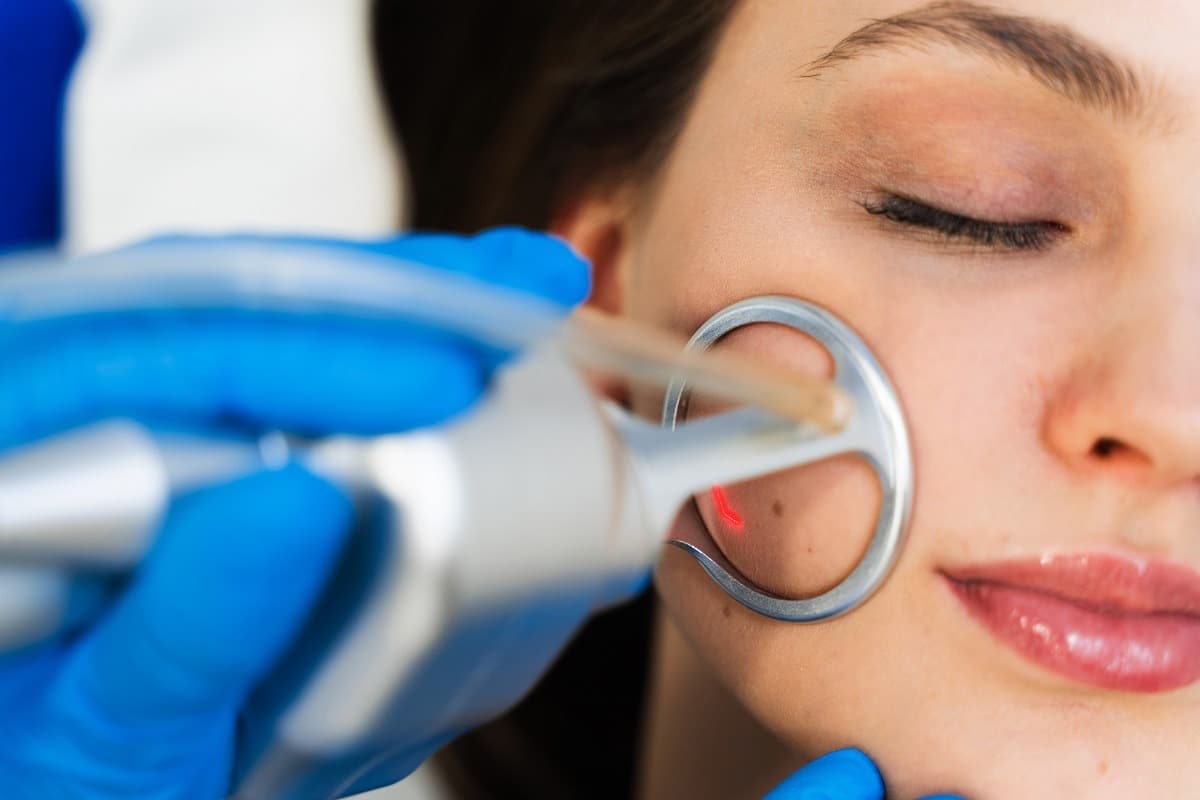
Laser technology is often considered one of the best treatments for stubborn brown spots on the face. Laser treatments work by delivering controlled light energy into the skin. This energy targets melanin pigment and breaks it into smaller particles that the body gradually clears away. Advantages of laser treatments include:- Precise targeting of pigmented areas
- Faster visible results compared to creams.
- Minimal damage to surrounding skin
4. Intense Pulsed Light (IPL)
IPL treatments use broad-spectrum light to reduce pigmentation and improve overall skin clarity. The light energy targets melanin in the skin, gradually reducing the appearance of dark spots. It also stimulates collagen production, which can improve skin texture. IPL is often recommended for people who want to address multiple concerns at the same time, including pigmentation, redness, and uneven skin tone.Can brown spots be removed naturally?
Some natural remedies may help improve mild pigmentation, but they usually work more slowly than medical treatments. Common home care methods include:- Regular sunscreen use Daily sun protection prevents brown spots from becoming darker and helps other treatments work more effectively.
- Gentle exfoliation Mild exfoliation can help remove dead skin cells and promote skin renewal.
- Brightening skincare ingredients Products containing vitamin C, niacinamide, and mild acids may help gradually reduce pigmentation.

Look and Feel Your Best Every Day!
- •Advanced facial, body, and hair treatments.
- •Tailored solutions for lasting confidence.
- •Caring support at every step.
How to prevent brown spots from returning?
Even after successfully removing brown spots on the face, prevention is extremely important. Simple habits can help protect the skin and prevent pigmentation from coming back.-
Daily sunscreen
-
Consistent skincare routine
-
Avoid excessive sun exposure.