
Pigmentation Treatment Leicester
Treat uneven skin tone, dark spots and discolouration with clinically proven treatments for clearer, more radiant skin.
5.0120+ reviews
4.7140+ reviews
About This Condition
What Is Pigmentation?
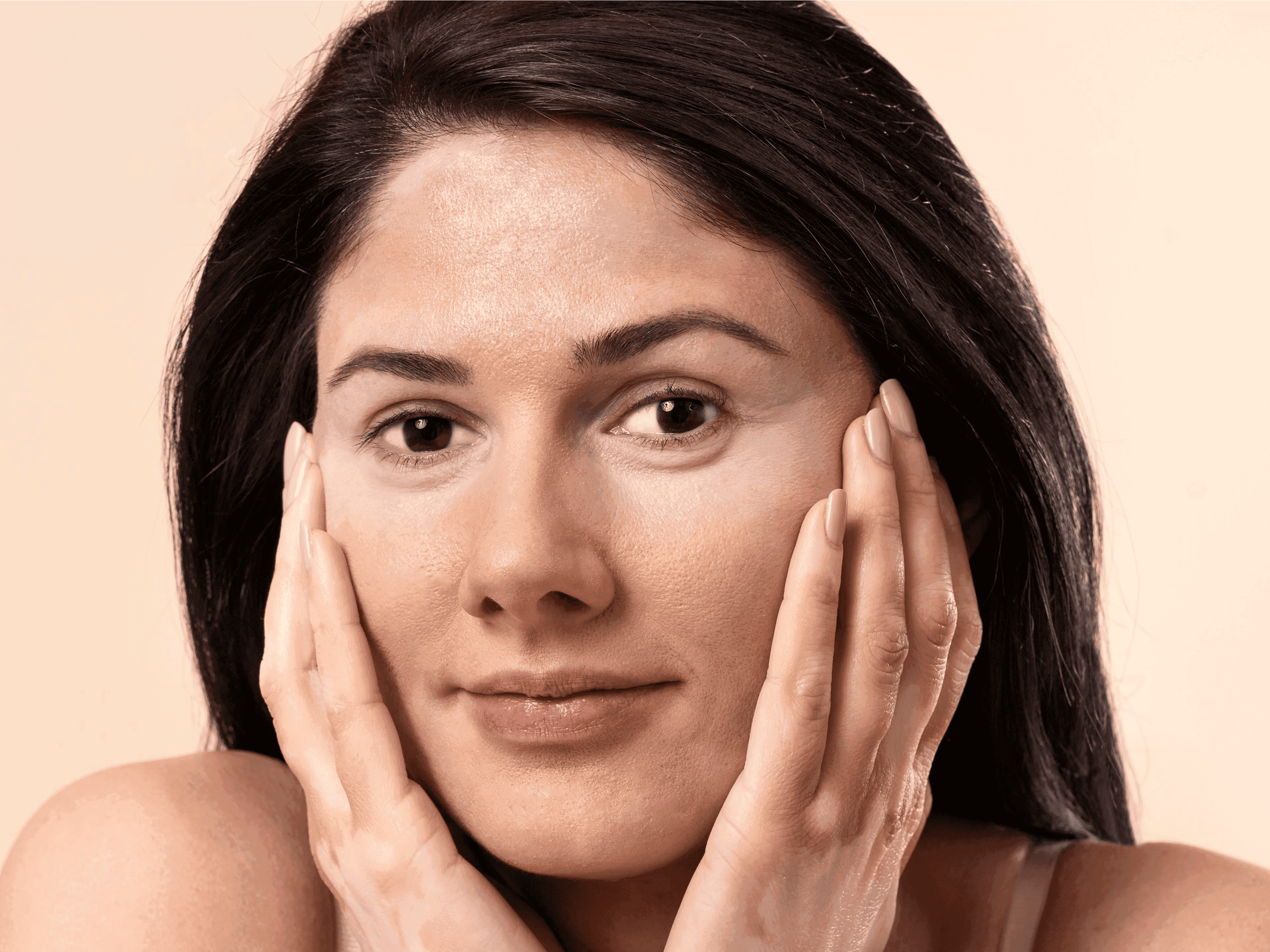
Skin pigmentation refers to uneven colouration caused by an overproduction or irregular distribution of melanin , the natural pigment responsible for skin colour. It can appear as dark spots, blotchy patches, or a generally dull, uneven complexion, and may affect the face, hands, neck, or body. With the right treatment, most forms of pigmentation can be substantially reduced or cleared, revealing clearer, more radiant skin.
Classification
Types of Pigmentation
Dark Spots / Age Spots
Localised brown patches that develop from sun exposure or ageing, typically on the face, hands, and décolletage.
Uneven Skin Tone
Diffuse discolouration spread across larger areas of the skin, giving an inconsistent, blotchy complexion.
Post-Inflammatory Pigmentation
Dark marks left behind after acne, injury, or eczema as the skin produces excess melanin during healing.
Root Causes
What Causes Pigmentation?
Understanding what contributes to pigmentation helps identify the right treatment approach for long-lasting results.
UV & Sun Exposure
UV radiation is the leading trigger for pigmentation. It stimulates excess melanin production, causing dark spots, freckles, and uneven patches on exposed skin.
Post-Acne Scarring
Inflammation from acne breakouts can trigger melanin overproduction, leaving persistent dark marks long after the blemish itself has healed.
Hormonal Changes
Fluctuations during pregnancy, menopause, or from hormonal contraception can trigger melasma, a pattern of deeper, symmetrical pigmentation on the face.
Skin Inflammation or Injury
Any form of skin trauma, including cuts, burns, eczema flares, or cosmetic procedures, can cause post-inflammatory hyperpigmentation as the skin heals.
Ageing & Cell Turnover Slowdown
As skin ages and cell renewal slows, melanin distributes less evenly, leading to age spots and a generally dull or patchy complexion.
Genetics
A predisposition to freckles, melasma, or uneven skin tone can be inherited, making some skin types more susceptible regardless of lifestyle habits.
Risk Factors
Who Is More Likely to Develop Pigmentation?
The following individuals may be more at risk of developing skin pigmentation.
- Those with frequent sun exposure without SPF protection.
- People with darker skin tones, which are more prone to post-inflammatory pigmentation.
- Women on hormonal contraception or those who are pregnant.
- Acne-prone individuals who experience recurring breakouts.
- Those with a history of eczema or psoriasis.
- People over 40 with accumulated UV damage and slower cell turnover.
Our Process
How Do We Diagnose Pigmentation?
Our specialists will:
A thorough visual assessment of the distribution, depth, and pattern of pigmentation across the face and body.
Advanced diagnostic tools used to determine the depth of pigmentation and identify whether it is epidermal, dermal, or mixed.
A detailed discussion of your skin history, hormone use, sun exposure habits, and skincare routine to identify root causes and guide treatment.
Your Options
Treatments For Pigmentation
Lumecca IPL
Intense pulsed light targets excess melanin to reduce dark spots, sun damage, and uneven pigmentation for a visibly brighter complexion.
Chemical Peels
Exfoliating peels remove pigmented surface cells and stimulate renewal, progressively lightening dark patches and uneven tone.
Laser Resurfacing
Targeted laser energy breaks down melanin deposits and resurfacing the skin for a clearer, more even complexion.
AlumierMD Skincare
Clinically formulated brightening skincare that inhibits melanin production, maintains results, and protects with daily SPF.
Medical Advice
When to Call a Doctor?
Most pigmentation is harmless and only affects appearance. See a doctor if you notice:
- Rapidly changing spots that are growing or darkening quickly.
- Spots with irregular or uneven borders.
- Patches that bleed, crust, or fail to heal.
- New dark patches appearing after the age of 40 without clear cause.
What To Expect
Results & Expectations
After pigmentation treatment, here is what you can typically expect at each stage of your journey.
Treatment Timeline
Initial improvements in skin tone begin to appear within 4 to 6 weeks of starting treatment.
Visible Skin Brightening
Dark spots fade and overall skin tone becomes more uniform with each treatment session.
SPF & Maintenance Plan
A daily SPF routine and periodic maintenance treatments sustain a clear, even complexion long-term.
Meet the Experts

Dr Sumit Virmani
MBBS, MRCGP
Co-Founder & GP
Dr Sumit Virmani is co-founder of The One Clinic. He has extensive experience having worked as a medical doctor for over 15 years, with over 12 of these years working as a local GP.
View Full Profile
What Our
Customers Say
Don't just take our word for it. Here's what real patients have to say about their experience at The One Clinic.
Why Us
Why Choose The One Clinic For Pigmentation Treatment
All-in-one clinic with medical & aesthetic services.
Highly trained, compassionate doctors.
Customised treatments based on listening & expertise.
State-of-the-art facilities & modern equipment.
Strong reputation & excellent reviews.
Comprehensive care and referrals with specialists.
FAQ
Frequently Asked Questions
Pigmentation is caused by an overproduction or irregular distribution of melanin, the pigment that gives skin its colour. Common causes include sun exposure, hormonal changes (such as pregnancy or the menopause), post-inflammatory responses from acne or skin trauma, ageing, and genetic predisposition. Identifying the underlying cause helps determine the most effective treatment.
Many forms of pigmentation can be significantly reduced or cleared with the right treatment. Laser therapy, IPL, and chemical peels are particularly effective for sun damage, age spots, and post-inflammatory marks. However, some pigmentation, particularly melasma, can recur without ongoing sun protection and maintenance. Our doctors will advise on the most appropriate approach for your skin.
Results vary depending on the type and depth of pigmentation and the treatment used. Lumecca IPL and laser resurfacing can provide long-lasting improvement, often 12 months or more with good sun protection. Chemical peels typically require a course of sessions for best results, with ongoing maintenance recommended. Daily SPF use is essential to prevent recurrence.
Yes, with the appropriate treatment selection. Some laser technologies carry a higher risk of post-inflammatory pigmentation in darker skin tones if not used correctly. At The One Clinic, our GMC-registered doctors assess your skin type and pigmentation carefully before recommending a safe, tailored treatment plan.

Take the First Step
It's Time To Reveal Clearer, Brighter Skin!
Talk to our specialists today to find the best treatment for your pigmentation and restore a naturally clear, radiant complexion.
Contact Us
Get In Touch
Reach us by phone, email, or visit us at the clinic. You can also follow us on social media for the latest treatments, patient results, and wellness tips from our team.
Explore