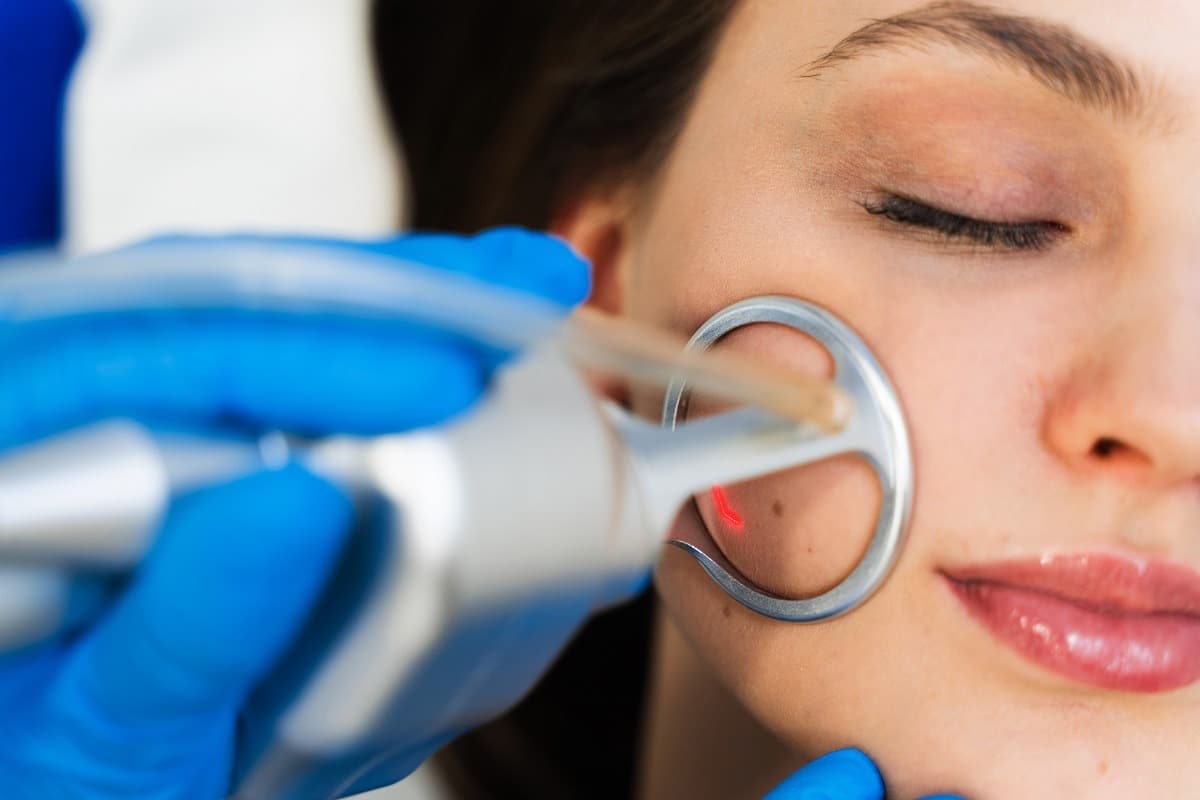
Endolift aftercare focuses on helping your skin heal safely and achieve the best results after treatment. In the first few days, it’s essential to rest your skin, wear a compression strap, apply ice compressions, avoid excessive heat, and follow your practitioner’s guidance closely.
Staying gentle with your skincare and protecting your skin from the sun make a big difference in how well you recover.
If you’ve just had an Endolift or are planning one soon, this blog is for you. Here, we’ll guide you through every stage of the aftercare process, from the first 24 hours to long-term care, so you know exactly how to support your skin after treatment.
What Is Endolift Aftercare?
After your Endolift treatment, proper care is crucial to help your skin heal and achieve optimal results. Below, we’ve broken down the aftercare step by step, from the first hours after treatment to long-term care, so that you can support your skin safely and effectively.Endolift Aftercare Timeline: Step-by-Step Recovery Guide
First 24-48 Hours: Protect & Soothe
Your first day or two after Endolift are crucial for proper healing. These initial hours set the tone for your recovery.1. Avoid Touching or Rubbing the Treated Area
Your skin is delicate immediately after the Endolift procedure. Touching or rubbing the area can slow down healing and may cause unnecessary irritation. Keep your hands away from your face as much as possible.2. Keep Your Head Elevated While Sleeping
Sleeping with your head slightly raised helps reduce swelling. Using an extra pillow or a wedge pillow can make a big difference in how quickly your face settles. This simple step supports a smoother recovery.3. Apply Cold Compresses Daily
For 10-15 minutes every few hours, apply cold compressions. It can help soothe discomfort and reduce swelling, making your skin feel calmer. Avoid using the ice directly on the skin; wrap it in a soft cloth to prevent direct contact.4. Avoid Heat & Do Not Apply Makeup
Avoid wearing makeup for at least the first day, and do not go to the saunas, steam rooms, or very hot showers. Heat can increase blood flow to your skin and worsen swelling or redness. Let your skin breathe during these initial hours.5. Stay Hydrated
Drinking plenty of water helps your body flush out toxins and supports healing. Hydration also keeps your skin supple, which can improve your Endolift results. Aim for at least 1.5-2 litres of water each day.Days 3-7: Reduce Swelling & Support Healing
These first few days continue the healing process. Proper care now helps prevent swelling and supports the lift.1. Wear Your Compression Strap or Garment
Following your provider’s advice on compression is essential. Typically, you wear it full-time for the first three days and overnight until day 10. This helps your skin settle and supports the lifting effect.2. Avoid Strenuous Exercise
Heavy exercise can increase blood flow and swelling in the treated area. Stick to gentle walks or light activity, and avoid workouts that cause you to sweat heavily until your healthcare provider says it’s safe.3. Apply Soothing Creams
Using gentle creams like Avène Cicalfate or Arnica Gel can help calm redness and irritation. Always check with your provider which products are safe, as harsh ingredients may slow down recovery.4. Use Gentle Cleansers and Moisturisers
Stick to fragrance-free, soft skincare products. Avoid harsh soaps or exfoliants, which can irritate your skin. Simple cleansing and moisturising will keep your skin protected while it heals.5. Adjust Your Sleeping Routine
Once swelling reduces, you can start sleeping without the strap during the day. Maintaining a slightly elevated head at night can still help keep swelling down, but you don’t need the strap 24/7 anymore.Weeks 2-4: Gentle Recovery and Skin Boost
By week two, most initial swelling has settled. You can start reintroducing normal activities carefully.1. Resume Light Daily Activities
By week two, most swelling and redness will have reduced. You can start normal daily routines, but check with your provider before returning to intense exercise. Slow reintroduction prevents over-stressing the treated area.2. Stick To Your Sun Protection (SPF)
Your skin is still sensitive, so protecting it from the sun's rays is essential. Use SPF 50+ and avoid prolonged direct sun exposure to prevent pigmentation and irritation.3. Start Gentle Lymphatic Drainage Massage
If your practitioner allows, gently massage your skin at night for about 15 minutes, focusing on the area under your chin and neck. Massage may minimise remaining swelling, improve circulation, and support final contouring.4. Maintain Hydration and a Healthy Diet
Keep drinking water and eating a balanced diet rich in protein and vitamin C. These nutrients support collagen formation and overall skin recovery.5. Avoid Harsh Skincare
Do not use chemical peels, strong exfoliants, or facials during this period. Your skin is still in recovery mode and needs gentle care to prevent irritation or setbacks.Long-Term Care (Month 2 and Beyond)
Even after your skin feels normal, proper care ensures your results last. Long-term attention keeps your skin looking its best.”1. Keep Using Sunscreen Daily
Even after your skin feels normal, continue using SPF daily. Long-term sun protection helps prevent pigmentation and maintains the lifting effect of Endolift.2. Reintroduce Active Skincare Slowly
You can gradually start using products like vitamin C serums or retinol creams, but introduce them one at a time. This helps your skin adjust and avoids unnecessary irritation.3. Attend Follow-Up Appointments
Check in with your provider to monitor your recovery and see the final results. They can also guide you on any additional treatments or touch-ups that may be needed.4. Consider Yearly Maintenance Treatments
Some patients benefit from yearly follow-up treatments to maintain results. Discuss this with your clinic to decide what is best for your skin and lifestyle.Why Taking Care After Endolift Treatment Matters?
Endolift aftercare is just as important as the treatment itself. Proper care helps your skin heal faster, reduces swelling, and prevents side effects like bruising or irritation. Proper aftercare allows the collagen-boosting effects to work their best for long-lasting firmness and lift, which ultimately makes your results amazing. Skipping aftercare can slow down recovery and affect the evenness and smoothness of your final results.What To Avoid After Endolift (and Why)?
Certain activities or habits can slow healing, increase swelling, or affect your final results. Here’s a clear guide on what to steer clear of and why.1. Avoid Strenuous Exercise
Intense workouts increase blood flow and can worsen swelling in the treated areas. Prefer gentle movement, like walking, during the first week or until your provider says it’s safe. This helps your skin heal smoothly without unnecessary pressure.2. Stay Away from Heat
Hot showers, saunas, steam rooms, or sunbathing can make swelling worse and irritate healing skin. For at least the first week to ensure your skin recovers properly, you must avoid them all. Keeping your skin cool helps your results settle evenly.3. Do Not Touch or Massage Too Early
Your skin is delicate right after Endolift. Rubbing, pressing, or massaging the treated areas too soon can disrupt healing tissue and affect the lift. Wait for your provider’s guidance before starting any massage.4. Avoid Harsh Skincare Products
Chemical exfoliants, retinol, or strong acids can irritate the skin during recovery. Stick to gentle cleansers and moisturisers recommended by your provider until your skin has fully healed. This prevents redness or delayed recovery.5. Limit Alcohol and Smoking
Both alcohol and smoking can affect blood circulation and slow the healing process. Cutting back or avoiding them during recovery will help your skin repair faster and support long-lasting results.Signs to Watch Out For During Endolift Aftercare
While most people heal smoothly after Endolift, it’s essential to know when something isn’t right. Warning signs include:- Pain that is getting severe.
- Swelling that suddenly increases or doesn’t improve.
- Persistent redness or heat in the treated area.
- Any unusual fluid, pus, or signs of infection.
- Prolonged numbness or muscle weakness.

Look and Feel Your Best Every Day!
- •Advanced facial, body, and hair treatments.
- •Tailored solutions for lasting confidence.
- •Caring support at every step.