You can safely get rid of warts with professional treatments, including freezing (cryotherapy), laser removal, and medicated creams, as well as effective home remedies.
Warts are harmless skin growths that are caused by the HPV virus, and while many go away on their own, treatment can help speed up the process, reduce discomfort, and prevent spreading.
In this blog, you’ll learn what warts are, why they appear, the best ways to remove them, and how to stop them from coming back.
What Are Warts?
Warts are small lumps that grow on the skin. They are usually harmless but can look rough or bumpy.Different Types of Warts
- Common warts: Small, round, rough bumps on hands, knees, or elbows.
- Flat warts: Smooth, flat, and often yellowish, found on the face or hands.
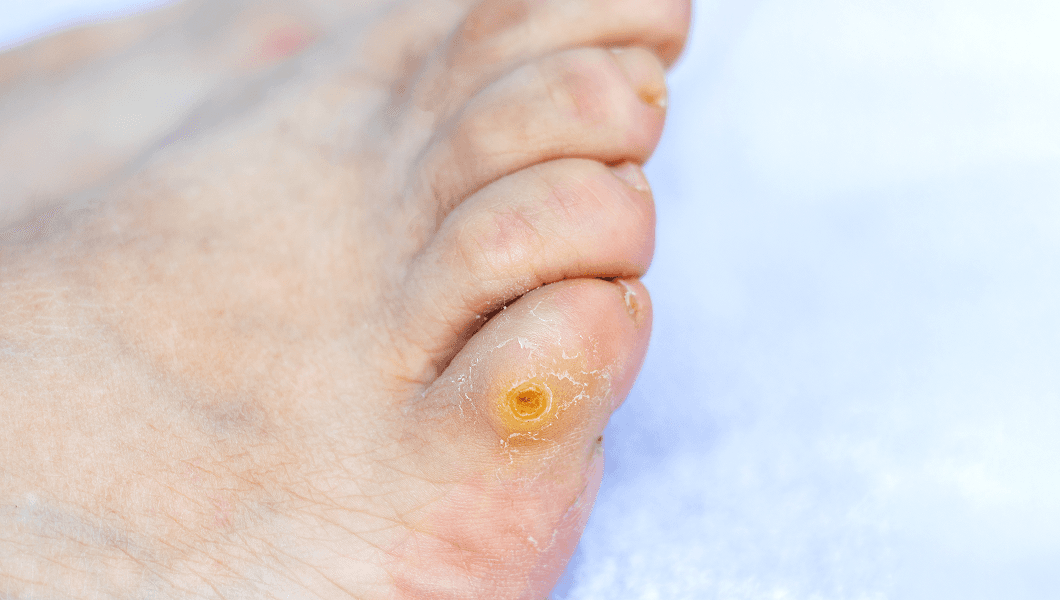
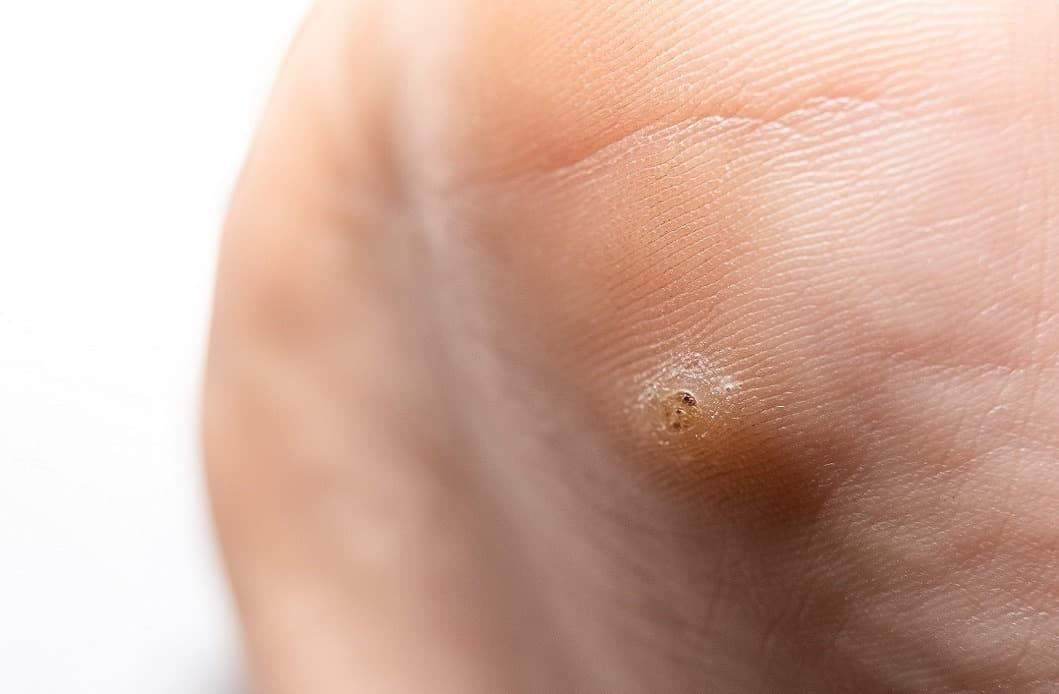
- Plantar warts: Grow on the feet, often painful because your body weight pushes them in.
- Filiform warts: Thin, long warts that appear on the face.
- Mosaic warts: Groups of small warts clustered together, usually on hands or feet.
- Subungual or periungual warts: Found under or around nails.
- Mucosal warts: Found on the lips, inside the cheeks, or sometimes the genital areas.
What are the Main Causes of Warts?
There are various factors that may cause wart formation. They include:1. Human Papillomavirus (HPV)
The HPV virus, which infects the top layer of your skin, may cause warts. The virus makes skin cells grow faster, forming a small bump. Different HPV types cause different kinds of warts.2. Direct Skin Contact
You can catch warts by touching someone who already has them. Even a quick handshake or skin-to-skin contact can spread the virus to healthy skin.3. Indirect Contact with Surfaces
HPV can survive on surfaces like gym floors, swimming pool areas, or towels. Touching these contaminated surfaces may give you warts, especially if you have a small cut or scratch.4. Weak Immune System
People with weaker immunity, like those with diabetes or on certain medications, are more likely to get warts. Their immune system struggles to fight off the virus, so warts appear more easily.5. Lifestyle Factors
If you pick or scratch at the existing warts, it may make them worse or spread them to other areas. Moist or damp environments, like sweaty socks or gloves, can also encourage wart growth.How to Get Rid of Warts? Professional Treatments
If you want to remove warts safely, here are the treatment options that the experts may choose:1. Cryotherapy (Freezing)
A doctor applies liquid nitrogen to the wart, which freezes it. This causes the skin to form a blister, lifting the wart off. Most people need a few sessions, spaced weeks apart, for stubborn warts. It’s quick, usually painless, and safe for most areas except very sensitive skin.2. Laser Treatment
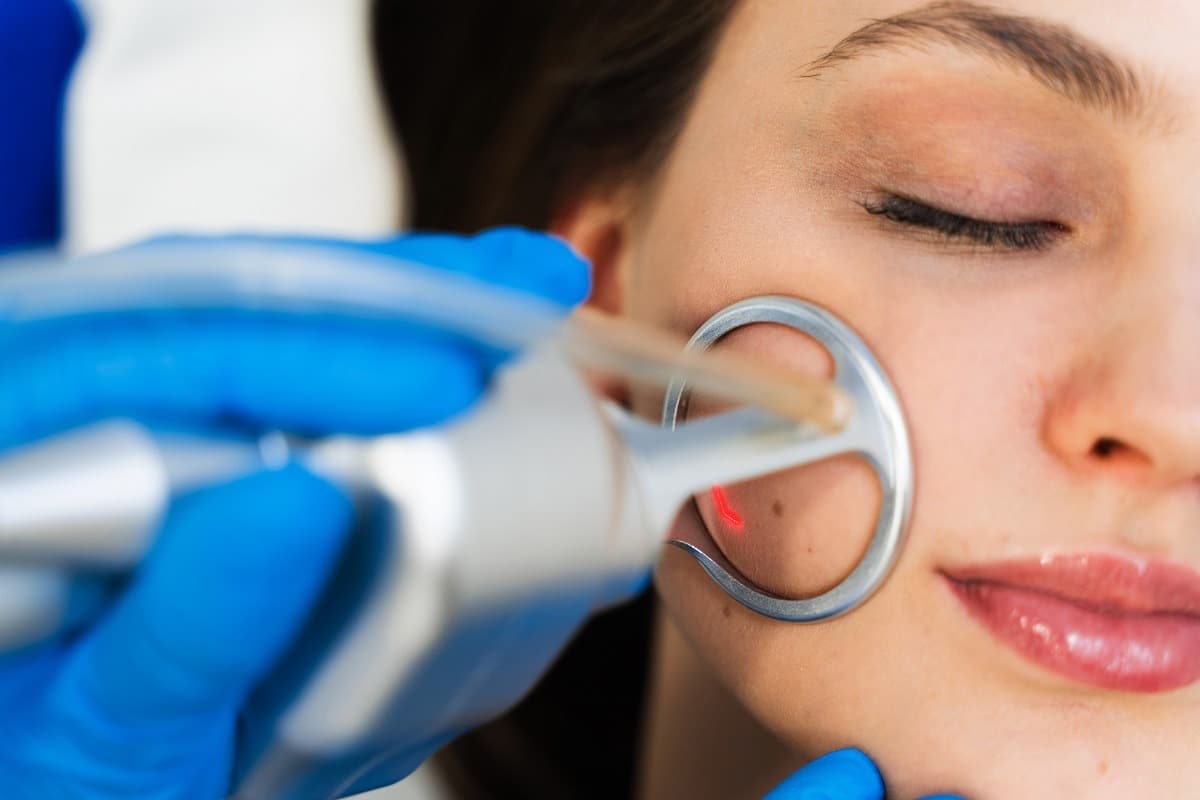
A focused laser beam destroys the wart tissue and the tiny blood vessels that feed it. Laser is a very precise, effective method and is often used when warts do not respond to other treatments. Healing is gradual, and skin may be slightly red for a few days.3. Chemical Treatments
Doctors use strong acids, like trichloroacetic acid, applied carefully to the wart. The acid peels away layers of the wart slowly without harming the surrounding skin. This process usually takes several appointments for full removal.4. Curettage and Electrosurgery
The doctor scrapes the wart away using a small surgical tool, sometimes using an electric current to burn the tissue. This works quickly for stubborn warts, but a local anaesthetic is used to make the procedure comfortable. Slight redness and healing marks are normal afterwards.5. Immunotherapy
For warts that keep coming back, doctors can inject medicines or apply creams that help the body’s immune system fight the virus. Over time, this can reduce wart size and prevent new warts from forming. It can take a few weeks to see full results.How To Remove Warts? Home Remedies and OTC Treatments
Home treatments can help remove warts, but they need time and daily care. Results are slow, and these options may not work for stubborn or long-lasting warts.1. Salicylic Acid (Wart Paints, Gels, or Plasters)
Salicylic acid is the most common pharmacy treatment in the UK. It works by slowly peeling away the wart layer by layer. You apply it daily for several weeks. Always protect the healthy skin around the wart.2. Duct Tape Method
Covering a wart with strong tape can help soften it over time. After a few days, the skin is soaked and gently rubbed. This method needs patience and can take many weeks to show results.3. At-Home Freezing Kits
These kits freeze the wart using cold gas. They are weaker than doctor treatments but may help small warts. Some warts need more than one application to fully go away.4. Warm Water Soaking and Filing
Soaking the wart in warm water softens the skin. Gently filing dead skin can help treatments work better. Always use a clean file and never share it with others.Important Safety Tips
- Never cut, burn, or pick a wart yourself. Do not use strong treatments on the face or private areas.
- If you notice that the pain is increasing and the wart is not improving at all, professional care is safer.

Look and Feel Your Best Every Day!
- •Advanced facial, body, and hair treatments.
- •Tailored solutions for lasting confidence.
- •Caring support at every step.