Sagging jowls are part of getting older, but that doesn’t mean you have to just accept them.
Saggy jowls can make your face look tired or less defined, and many people wonder why they happen and what they can do about them. The good news is that there are ways to slow it down, improve its appearance, and even restore a firmer jawline, without surgery in some cases.
This guide covers all about why jowls sag, the stages they go through, and the most effective treatments, both natural and professional, so you can make informed choices and keep your jawline looking its best.
What Are Jowls?
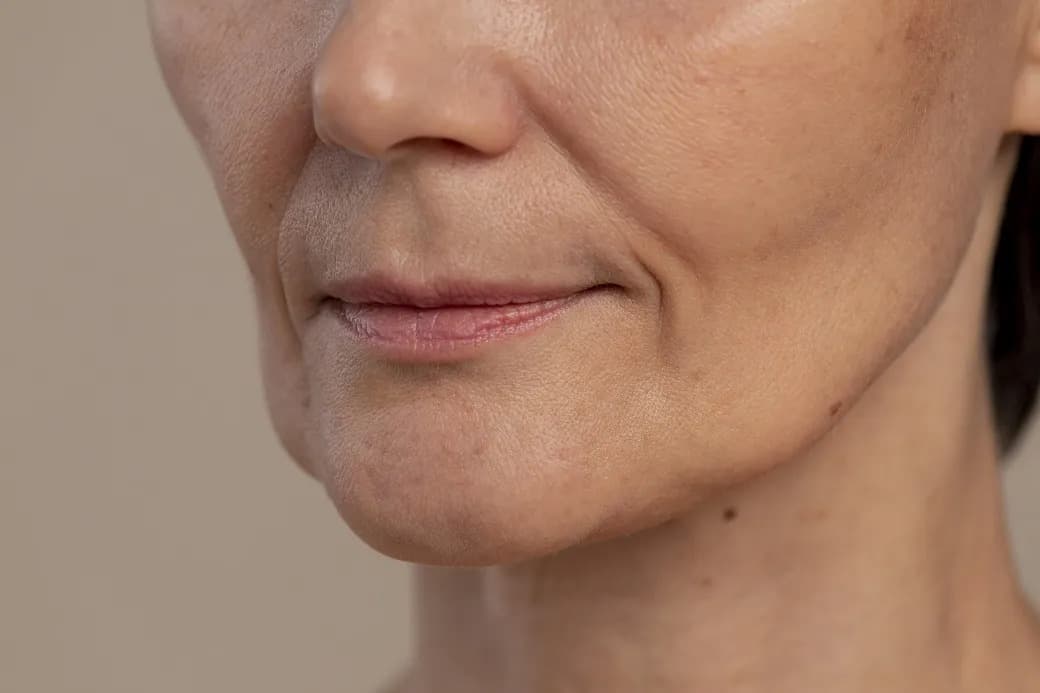
Sagging jowls are loose skin and fat that hang below your jawline. They make the lower part of your face look softer or less sharp. They usually start appearing in your 40s or 50s, but some people notice them earlier. Genetics can play a role; if your parents had jowls early, you might too. In short, sagging jowls are a normal part of ageing, but how they look can vary a lot from person to person.What Causes Sagging Jowls?
Sagging jowls happen for several reasons. Some are natural, while others are due to lifestyle or environment. Understanding the causes can help you know what might work to prevent or treat them.1. Ageing
As we get older, the skin loses collagen and elastin, the proteins that keep it firm and stretchy. Fat pads in the face shrink or move downward, and bone structure can change, making the jawline less defined.2. Genes Makeup
Your family history affects your likelihood of developing jowls. If your parents had sagging jawlines early, you might be more prone to it, no matter your lifestyle.3. Sun Damage
UV rays from the sun can break down collagen and elastin faster. Over time, sun exposure can weaken skin, making it sag sooner and look looser.4. Lifestyle Factors
Smoking, drinking too much alcohol, chronic stress, and a poor diet can all speed up skin ageing. These habits affect how your skin repairs and maintains itself.5. Weight Fluctuations
Losing or gaining weight quickly may not give the skin time to adjust accordingly. When fat decreases under the jaw, the skin may not snap back, creating sagging.6. Gravity Effect
Over time, gravity pulls the skin and soft tissues downward. This slow, constant effect contributes to sagging in the jawline and neck area.7. Loss of Facial Volume
Fat pads in the cheeks and mid-face naturally shrink with age. This loss of support allows skin to droop and jowls to appear more pronounced.What Are The Stages Of Sagging Jowls?
Sagging jowls usually progress in three stages, from mild to severe, as skin loses elasticity and facial volume decreases.1. Mild Sagging
Early signs with slight drooping around the jawline. Can start in your 30s. The jawline looks softer but still mostly defined.2. Moderate Sagging
Jowl drooping is more visible, and there is a softer jawline look. Usually appears in the late 30s to early 40s. Fat and skin changes make the jawline less sharp.3. Severe Sagging
Advanced stage with significant loose skin and drooping. Typically shows in the late 40s and 50s. The jawline shape is mostly lost, with visible folds and sagging.At What Age Do Jowls Typically Appear?
Sagging jowls usually start showing in your 40s or 50s. At this stage, natural ageing causes the skin to lose firmness and the fat pads to shift downward. Some people notice jowls earlier. Genetics, lifestyle habits like smoking or poor diet, and sun exposure can make the skin sag sooner. Even if you are careful with skincare, these factors can still play a role. Knowing when jowls may appear helps you take steps early to slow the process.Treatment Options for Sagging Jowls
For mild to moderate sagging jowls, there are several non-surgical treatments that can lift, tighten, and restore volume. Each option works differently, so it’s important to choose the right one for your needs.1. EndoLift Laser
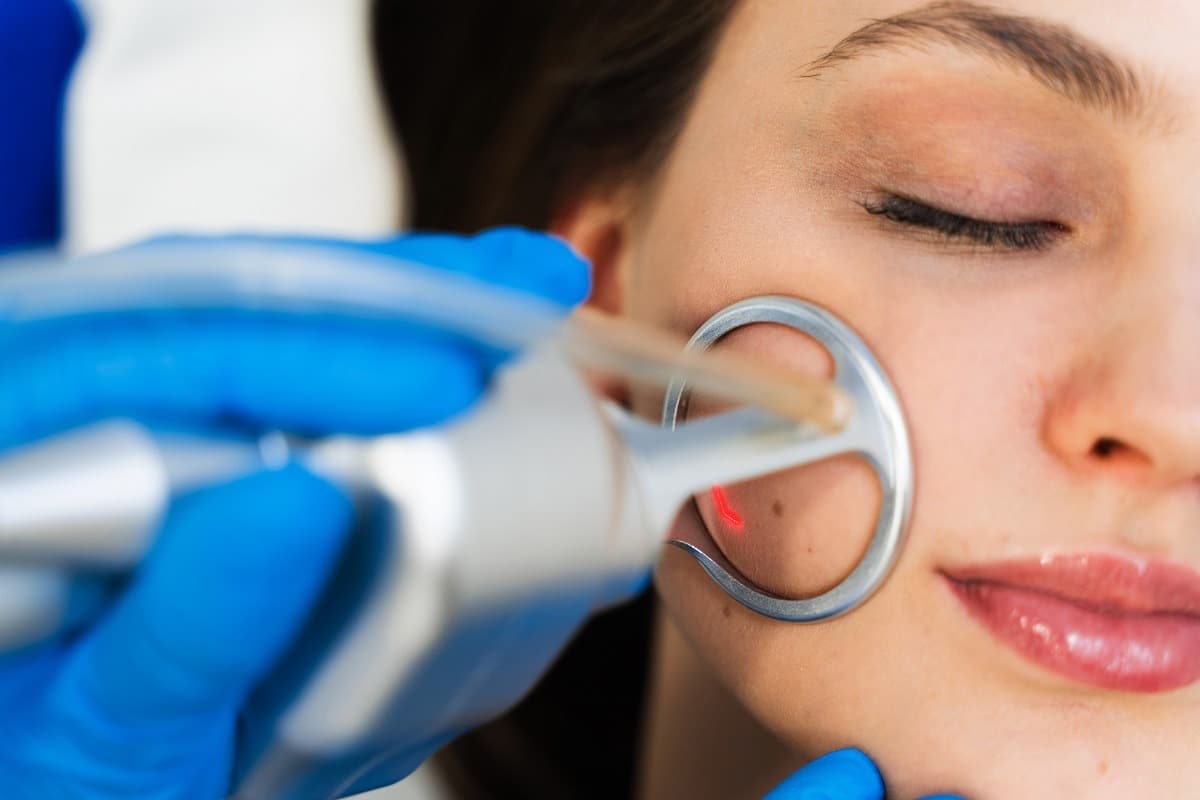
EndoLift Laser Treatment is a minimally invasive laser treatment that tightens skin from beneath the surface. It also stimulates collagen and can improve contour in the jawline area. Recovery is quick, and results can last several years depending on your skin and lifestyle.2. Dermal Fillers
Fillers, usually made of hyaluronic acid, add volume to the cheeks and jawline. They lift sagging skin and smooth out the jawline. Results are visible immediately and can last from 6 months to 2 years, depending on the type used.3. Biostimulatory Injectables
These injectables stimulate your body to produce new collagen over time. They help tighten skin and improve elasticity gradually. The effect develops over a few months and can last up to 2 years with maintenance.4. Ultrasound Therapy (Ultherapy)
Ultherapy uses focused ultrasound energy to heat deep layers of skin. This stimulates collagen production and tightens the jawline naturally. Results appear gradually over 2-3 months and can last up to a year or more.5. Radiofrequency Treatments
RF devices, like Morpheus8 or Thermage, focus on heating the skin tissue to stimulate collagen and elastin production. This tightens loose skin and improves texture. Treatments usually need 1-3 sessions, with results lasting around 12 months.6. Liposuction or Fat Removal under Chin/Jowl
Liposuction removes stubborn fat that makes jowls more pronounced. It can be done alone or with a lift for better contour. Recovery is typically faster than full surgery, but swelling may last a few weeks. Here are their pros & cons Surgery offers the most noticeable and permanent results. However, it requires anaesthesia, downtime, and carries surgical risks. Non-surgical options may be safer but give less dramatic results.For detailed treatment options, read our complete guide on how to get rid of jowls.
What Is The Best Treatment For Sagging Jowls?
The best treatment depends on how severe your jowls are and what results you want. There isn’t one single solution for everyone.1. Mild Sagging
If your jowls are just starting to sag, natural methods and non-surgical treatments usually work best. Skincare, healthy habits, and light fillers or ultrasound therapy can improve firmness and contour.2. Moderate Sagging
For more noticeable jowls, a combination of treatments is often ideal. Fillers, EndoLift laser, and fat reduction can be combined to lift, tighten, and reshape the jawline without surgery.3. Severe Sagging
When jowls are advanced, surgery is the most effective option. Facelifts or neck lifts provide lasting results and a sharper jawline. Liposuction can be added to remove extra fat if needed.4. Consultation & Realistic Expectations
A dermatologist or plastic surgeon can help you choose the right treatment. Understanding what each option can realistically achieve is key to satisfaction.How To Improve Sagging Jowls Naturally?
There are ways to support your skin and muscles naturally. These methods won’t give dramatic results like surgery, but they can help slow sagging and improve firmness.1. Skincare & Sun Protection
Use creams with retinoids or antioxidants to help your skin stay firm. Always wear sunscreen to protect against UV rays, which break down essential skin proteins, i.e., collagen and elastin.2. Healthy Lifestyle
Always eat a balanced diet, drink plenty of water, get enough sleep, and avoid smoking or excessive alcohol. Such healthy eating habits support your overall skin health and keep it looking its best.3. Facial Massage & Gua Sha
Gently massaging your face or using a gua sha tool can improve circulation and help keep your muscles toned. While this won’t remove jowls, it can make skin look firmer.4. Facial Exercises
Some exercises can strengthen the muscles under the skin. However, they cannot tighten loose skin on their own. Exercises may help slightly lift the area or improve tone, but results are limited compared to professional treatments.
Look and Feel Your Best Every Day!
- •Advanced facial, body, and hair treatments.
- •Tailored solutions for lasting confidence.
- •Caring support at every step.