Verruca can appear right at your feet, and the realisation often hits late. No surprise that verrucas can prevent you from doing so many activities. The feet hurt every time they touch the ground. That's the biggest downside.
The advantage? Verrucas can be treated through either home remedies or professional medication. The verruca healing stages will leave behind several signs of a cure. Recognising those symptoms will let you know when to stop the treatment and give you some peace of mind. Some may take a longer recovery time, while for others it may be in a single treatment session. So, how do you know if the verruca is actually dying? Or if the treatment is going strong? This guide will explain everything.
What is Verruca Exactly and How is it Caused?
Verruca or plantar warts are an infection that traces back to HPV (human papillomavirus), which is a group of viruses entering the skin through cuts or abrasions. When inside, the virus then projects outwards on the top layer of the skin, creating a verruca. It appears like a small rough patch of skin and can hurt your sole when pressed. However, not everyone exposed to HPV will develop verrucas. There are a number of factors that can cause the human papillomavirus to result in a wart. The verruca healing stages will depend on it. These are a few causes of verruca growth:- Skin-to-skin contact with someone who has warts.
- Walking barefoot in moist and warm areas like changing rooms, swimming pools, and gym showers.
- Minor skin injury that leaves small scrapes on your feet
- A weak immune system makes it difficult for the body to fight HPV.
- Indirect contact by using the infected person's towel, razors or other personal items.
How to Identify a Verruca?
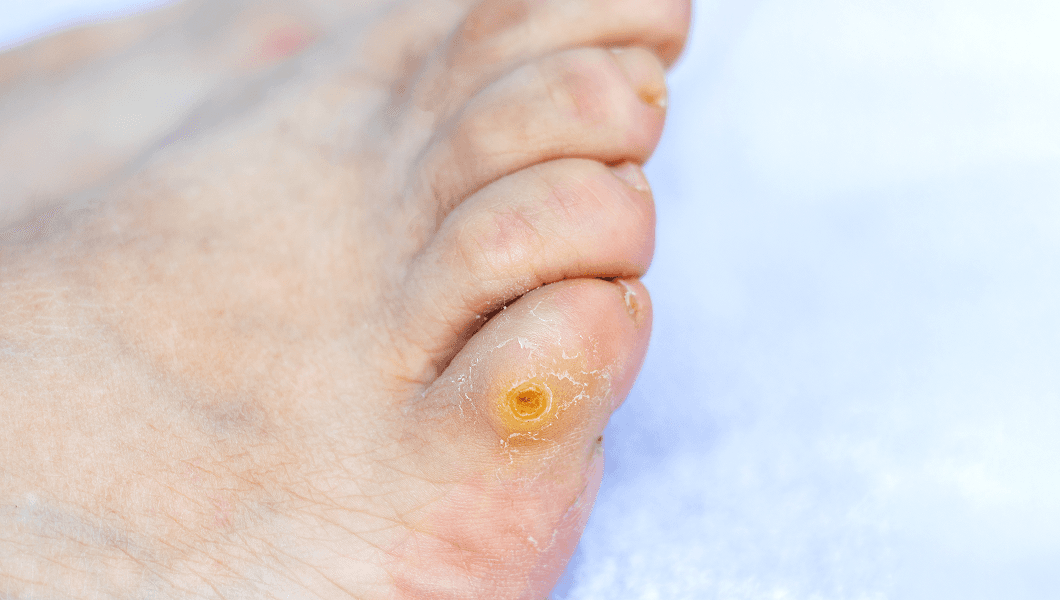
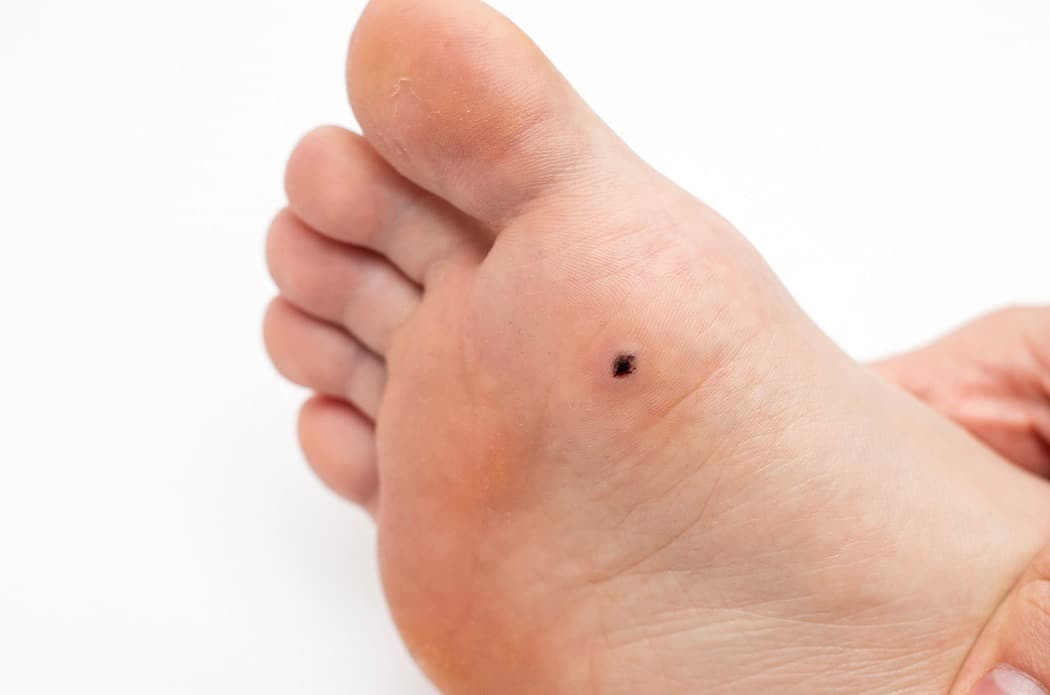
Yes, the question is how to spot a verruca in the first place. Or are you confusing it with calluses? Before understanding verruca healing stages, knowing what it actually looks like is important. Here's how they show up:- Texture: It is a rough lesion on the skin of your sole that commonly appears on the ball or heel of the foot and the toes.
- Black dots: The plantar wart will always have tiny black dots in the centre, which are actually clotted blood vessels.
- Abnormal skin lines: If you notice a disruption in the normal lines of your skin, it is a clear sign to differentiate a verruca from a corn. Warts break the natural ridges of the skin.
- Pain: When the verruca is under pressure, i.e., when the person stands, they may feel pain from the infected area.
The Key Signs that Show Verruca is Healing
Whether you have undergone professional treatment by a specialist or performed a home remedy, there are a few changes that will indicate your verruca healing stages.Shrinks in Size:
Your verruca may be a single lesion, small in size or in a large cluster around your heels. The clear sign that you are recovering from it is when it begins to shrink and get smaller over time. It will begin to blend into your natural skin, becoming flat and smooth.Change in Texture:
The wart seeds, which are dotted with black blood clots in the middle, become more pronounced and dark, which indicates the tissue is dying. Plus, the overall colour turning to black or brown is a good sign.Peeling and Flaking:
As the verruca heals, the skin around it dries out, cracks, and even peels. The infected skin becomes crusty. This especially happens when you treat it with salicylic acid or freezing treatments. Also Read: Stages of a wart falling offThe Pain Stops:
When you walk on the healing verruca, the pain seems to disappear or lessen. You can experience ease and comfort even when the area is under pressure. The area around the verruca becomes less sensitive when you touch it.Verruca Lifts Off:
In most cases, the dying verruca will loosen and fall off naturally. You may even find it coming off as you are filing or showering. Avoid pulling it away and wait for it to come off naturally to reduce the risk of infection and scars.
Look and Feel Your Best Every Day!
- •Advanced facial, body, and hair treatments.
- •Tailored solutions for lasting confidence.
- •Caring support at every step.
Verruca Healing Stages After the Treatment
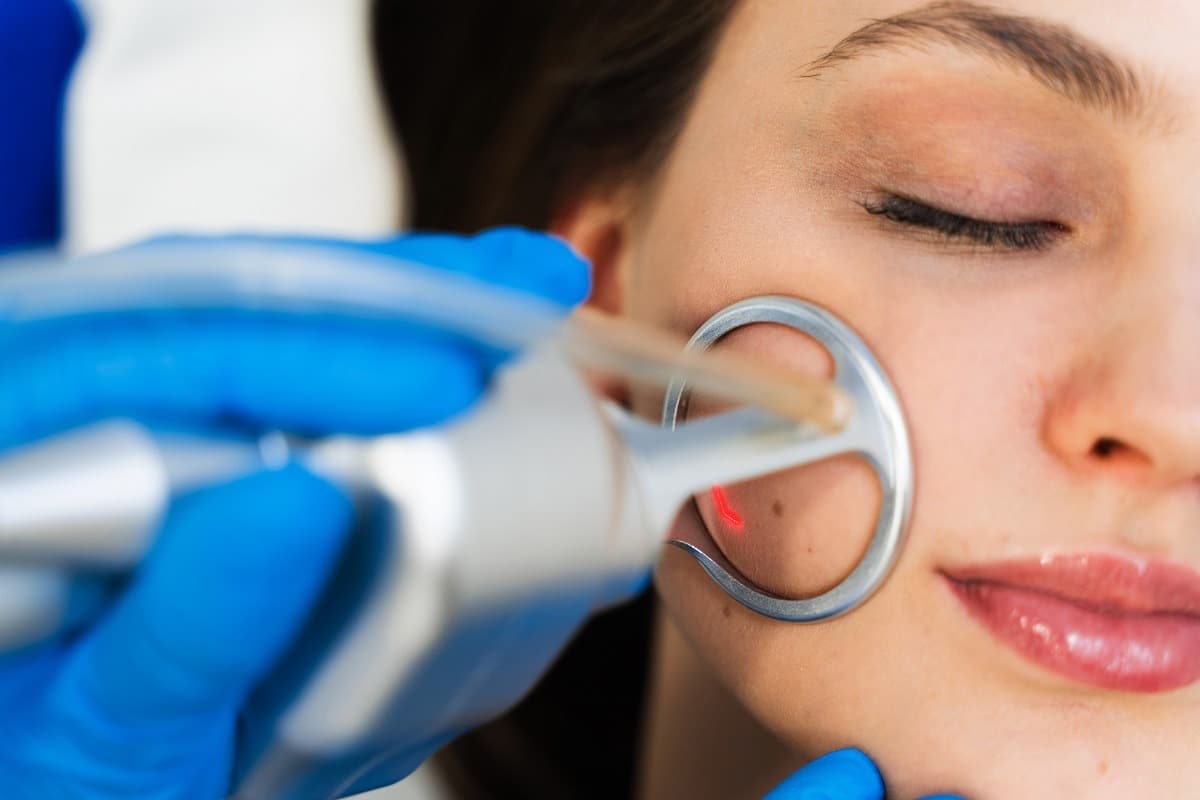
Have you recently been treated for your verruca by a dermatologist using removal procedures? The Stages verruca healing process will be a predictable pattern that may fluctuate slightly based on the method of treatment. The timeline of recovery may vary as well from person to person, typically taking 1-4 weeks. Here's what to expect:1. The Initial Phase
In the first 48 hours of going through the verruca removal stages, it is a critical period for the patient, demanding extra attention and care. This is the time when the body activates an emergency response to protect the treated area. The medication fights haemostasis, controlling bleeding and creating a barrier on the wound. Expected Skin Changes: Tenderness, swelling, and redness, and nutrients and white blood cells reach the treated verruca. Aftercare instructions:- Keep the area dry and clean
- Use ointments as prescribed
- If needed, cover or protect it with a sterile bandage
- Do not scratch or pick the verruca