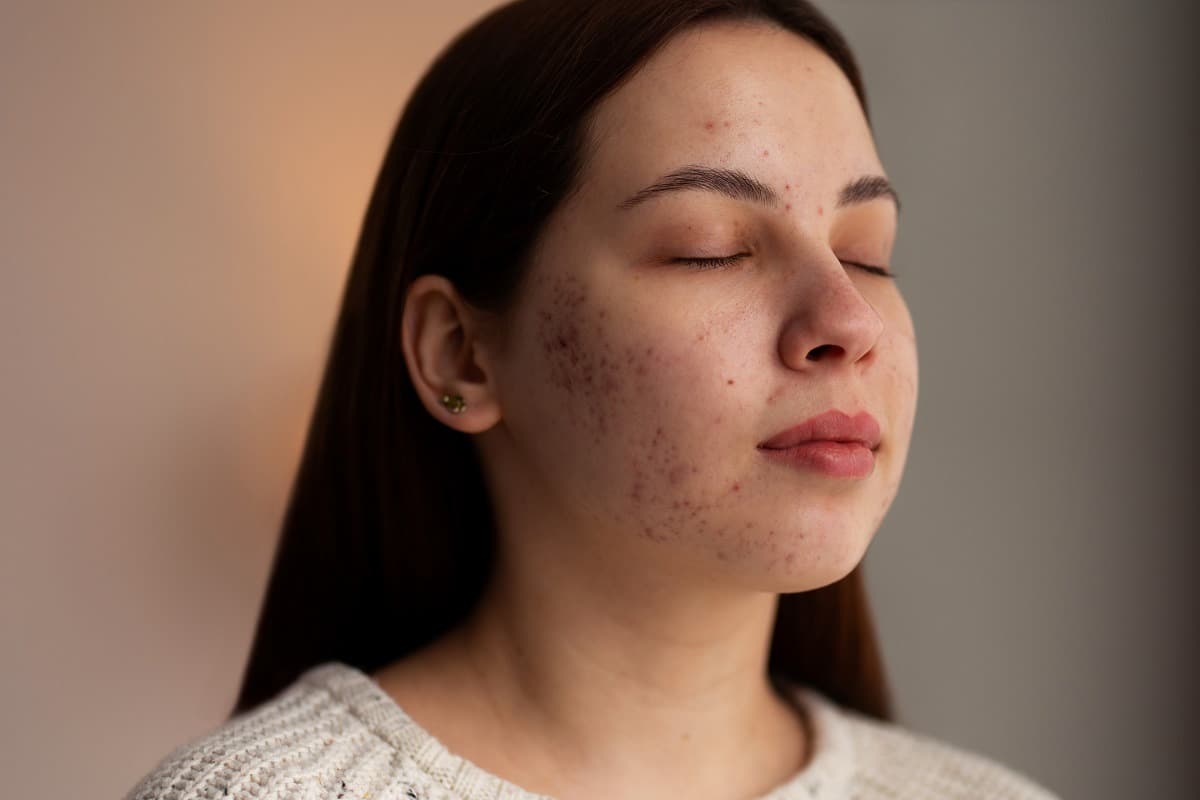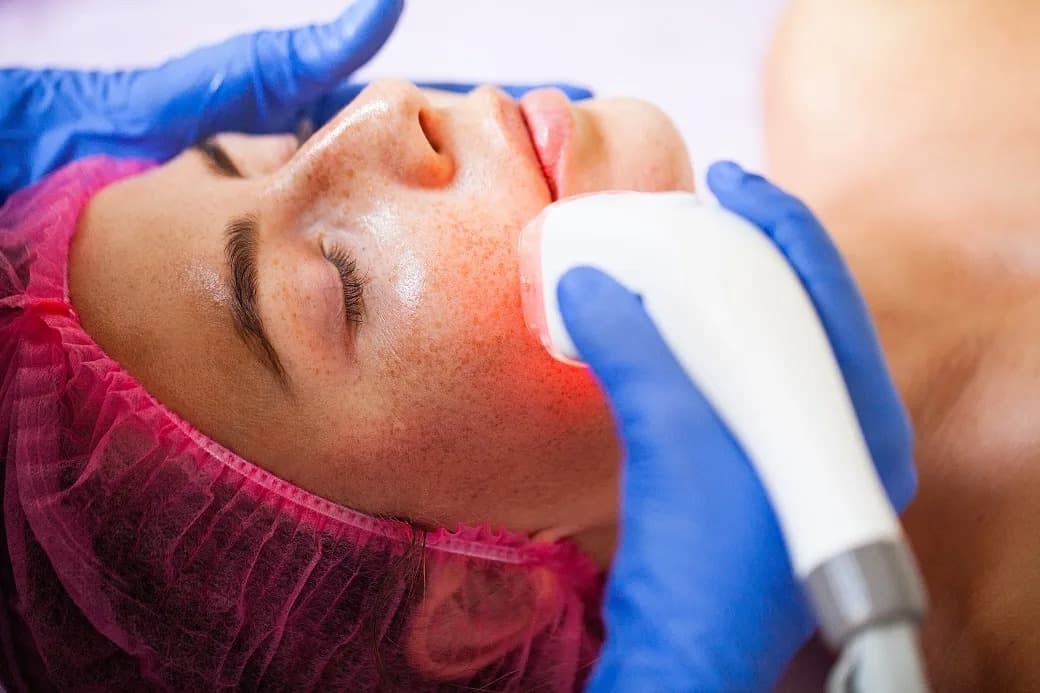
If you are dealing with an uneven skin tone, moderate acne scars, or sun-damaged skin, you are likely considering laser skin resurfacing as your ideal solution.
But if you are new to laser treatments, you might be asking yourself what is laser skin resurfacing?
In short, it is a cosmetic procedure that removes the outer, damaged layers of the skin from your face to encourage your body to produce healthy, new skin.
At The One Clinic, our doctors specialise in the use of Erbium YAG laser resurfacing treatment.
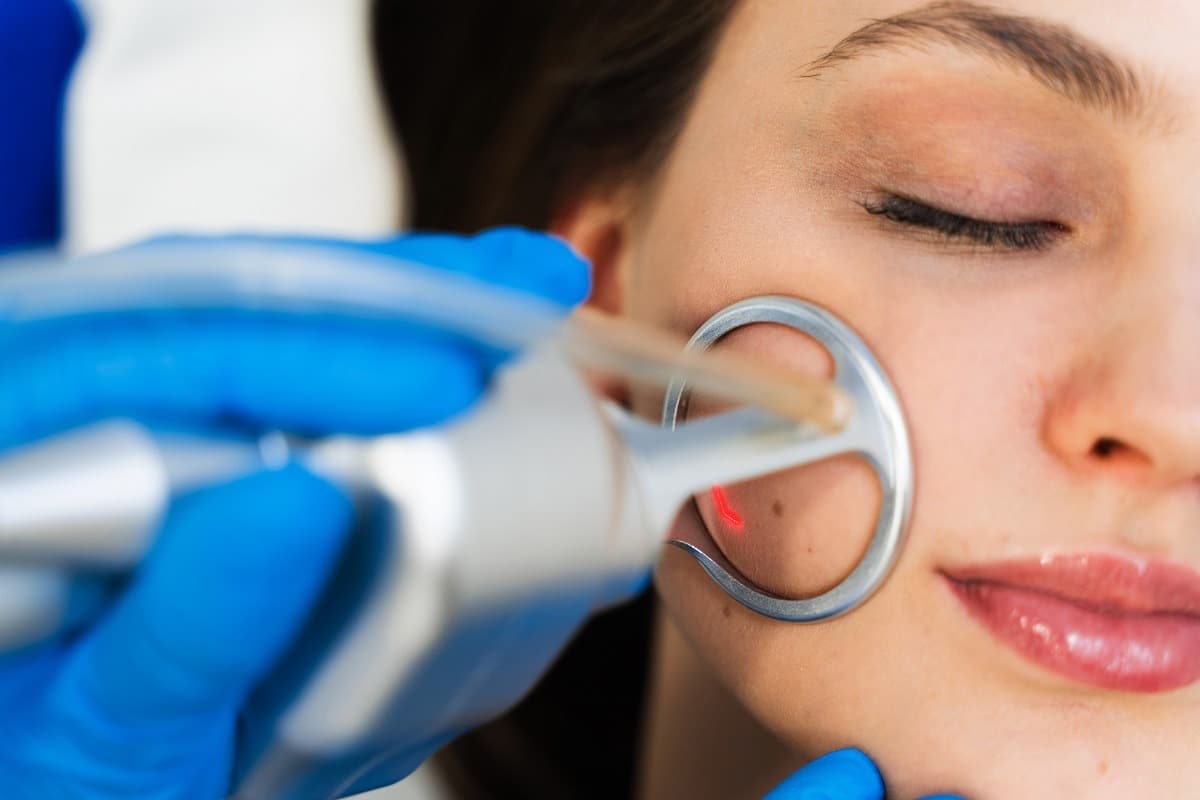
This is a precise and powerful laser treatment that uses laser light energy to stimulate collagen production, improve skin texture and give you glowing skin.
Read on to hear more from our doctors about laser resurfacing treatment. We will cover more about what this laser treatment is, what it does and how it works.
Or, if you are ready to start your skin transformation, contact our clinic team below to book a personalised consultation, and find out whether laser skin resurfacing is right for you.
CONTACT US
About laser skin resurfacing treatment
If you want to reduce stubborn facial wrinkles, remove acne scars, or even out your skin tone and texture, laser skin resurfacing is one of the best options for achieving optimal results. Laser resurfacing is also known as a laser peel or laser vaporisation because it uses concentrated beams of laser light energy to remove damaged skin, layer by layer, precisely. The laser removes the outer layer of the skin (epidermis) and then heats the layers underneath to help promote the growth of new collagen. The results , you will see skin that looks smoother, firmer and radiant. We can use laser skin resurfacing treatment to target specific areas of your face, such as wrinkles around your eyes and mouth. Alternatively, you can opt for treatment on your entire face for comprehensive skin rejuvenation. You can also have laser resurfacing treatment on other areas of the body, such as your hands, neck and décolletage.Types of laser skin resurfacing: ablative vs non-ablative lasers
The two main types of laser resurfacing are: ablative lasers and non-ablative laser treatment.Non-ablative lasers
Non-ablative treatments are more gentle than ablative lasers. This is because these devices do not remove the top layers of the skin. Instead, they work by heating the tissue beneath the skin's surface to promote collagen production. For this reason, non-ablative lasers, such as intense pulsed light (IPL), are better suited for treating mild skin tone issues, hair removal, and active acne. They do require multiple treatment sessions, more than an ablative laser.Ablative lasers
This is a more powerful form of laser resurfacing, as it completely removes the top layer of skin. For this reason, ablative laser treatment is best suited for those with deep wrinkles, severe or moderate acne scars, and non-responsive skin (where other treatments have not been effective). Erbium YAG laser resurfacing is a type of ablative laser treatment. It is one of the best fractional lasers because it delivers laser energy in a more controlled way. This means we can focus on treating skin conditions such as wrinkles and an uneven skin tone. Fractional laser resurfacing, including Erbium YAG laser, is similar to carbon dioxide laser (Co2 laser). However, because it is more precise and causes less heat damage to surrounding tissue, it offers a much shorter recovery period. It also means that when set to the right parameters, Erbium YAG laser can treat darker skin tones.
Look and Feel Your Best Every Day!
- •Advanced facial, body, and hair treatments.
- •Tailored solutions for lasting confidence.
- •Caring support at every step.
How does laser skin resurfacing work?
Consultation
The first step in laser resurfacing treatment is to have a consultation with one of our trained doctors. They will assess your skin concerns and review your medical history to determine if you are suitable for this treatment. You will need to have a patch test to ensure your skin type is suitable for treatment. This is especially true if you have very dark skin. If you have cold sores or active acne, our doctors will not recommend laser skin resurfacing treatment. In this instance, they will suggest alternative treatments that will suit your skin type and skin condition.The procedure: laser resurfacing
Before you start laser skin resurfacing, your doctor will give you a local anaesthetic to numb the face. This will make the procedure more comfortable for you. If you are only having a small area of your face treated with laser treatment, you may be given a topical numbing cream to numb that area instead. You will be given an eye shield to protect your eyes from the laser light energy. During your procedure, the doctor will pass the laser beams over the areas of your face where you have skin issues. We will use specific laser points and depths to treat various skin concerns and types. After your erbium laser resurfacing session, your treated skin may appear red and slightly swollen. This is normal, and you should not be worried. Your doctor will apply a cream or ointment to the area to help soothe it and support the body's natural healing process.Laser Skin Resurfacing: How Many Treatments Will I Need?
The number of facial resurfacing sessions you will need depends on the area being treated and your skin issues. For example, acne scars and deep wrinkles may require two to three treatments to achieve the best results. On average, our patients require 2 to 4 laser skin resurfacing treatments. We will discuss this with you during your consultation, where you will receive a bespoke treatment plan tailored to your skin type and concerns.Book your laser skin resurfacing treatment in Leicester today.
Whether you want to treat deep wrinkles, acne scarring, sun-damaged skin or improve your skin tone, our laser treatment experts at The One Clinic can help. We use the advanced Erbium YAG laser device to treat all skin types with laser resurfacing treatment. Our doctors can also use it for:- Non-surgical blepharoplasty
- Laser scar treatment
- Laser vaginal rejuvenation
- Laser for minor surgery, including mole removal